What is Love
Published on Feb 06, 2026 • 4 min read
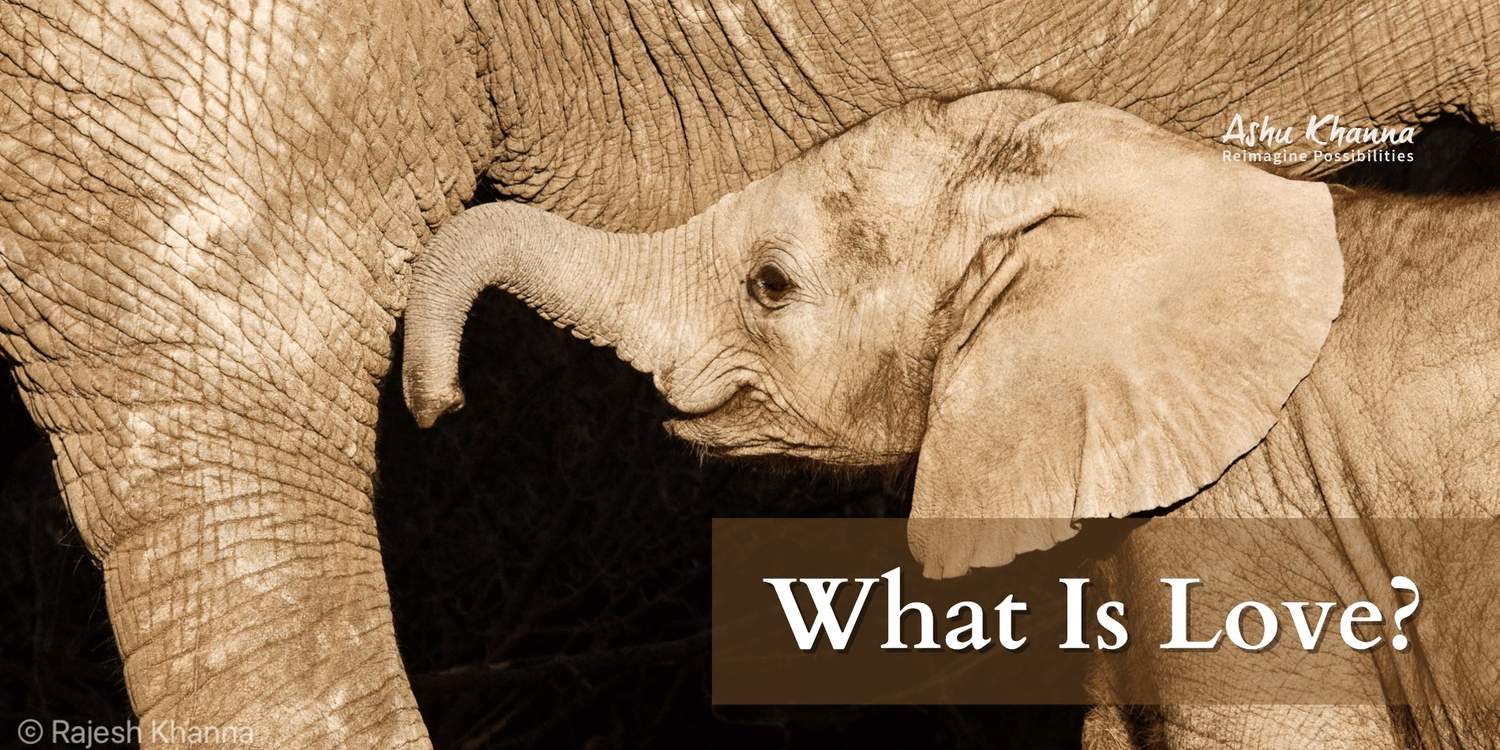
Love is one of the most spoken words in human life, yet one of the least understood experiences. We use it freely, feel it deeply, and carry its weight silently. Love shapes our memories, defines our relationships, and often becomes the lens through which we view ourselves and others.
What makes something so familiar feel so difficult to define?
I have been in love.
I have received love.
I have lost love.
And yet, for a long time, I did not truly know what love was.
This reflection is not about romantic ideals or poetic abstractions. It is about understanding love as a lived experience, one that unfolds gradually through awareness and inner clarity.
What happens when love is explored through awareness rather than expectation?
Love touches every human life, yet understanding it requires more than emotion. It requires reflection. It requires presence. It requires a willingness to look beyond habit and conditioning into the deeper truth of our inner state.
Love Is a Feeling or Presence
Most of us believe we understand love because we have felt it. We associate love with safety, comfort, belonging, and sometimes, even pain. Yet familiarity does not always bring understanding.
Can something be deeply felt and still remain unknown?
Love has made me blossom.
Love has made me cry.
Love has made me smile.
And still, I did not know what love was.
Why does love hold both joy and sorrow at the same time?
This inner contradiction is where many of us pause. Love touches every layer of our being, yet resists definition. It uplifts us and breaks us open. It brings intimacy and vulnerability side by side.
From a deeper perspective, love is not just an emotion. It is an experience that mirrors our inner state. How we express love reflects our relationship with our inner self.
If love mirrors us, what is it showing right now?
When love is experienced only through emotion, it fluctuates. When love is experienced as presence, it stabilises. Presence allows love to be witnessed beyond reaction, beyond attachment, and beyond personal need.
Different Expressions of Love
Love changes form as we move through life.
As children, we experience parental love that is anchored in safety and a sense of belonging. As we grow older, we enjoy the bonds of friendship and the support of teachers. As adults, we form a partnership with a spouse. As the family grows, the tugs and pulls of love become more exaggerated.
At times, love feels intense and overwhelming, and at other times, it feels gentle and grounding. Each expression teaches us something essential. Love is not here to keep us comfortable. It is here to nudge us to live with awareness and transform us.
Is transformation the deeper purpose of love?
When love is viewed only as attachment, it creates fear. When it is understood as awareness, it creates freedom.
Each phase of life reveals love from a different angle. What remains constant is the invitation to grow in awareness rather than remain trapped in expectation.
Shift in Perspective
There came a moment when the focus shifted. I had spent my life asking to feel more loved. There was no end to this greed and expectation.
What happens when the search for love never feels complete?
I asked myself, what is love?
This question invited me to reflect within. It marked a shift from seeking love to understanding love.
Often, we seek love as reassurance, validation, acceptance, or recognition. When love is born from expectations, we introduce pain and disappointment into our lives.
True love is a presence. We can experience love by embracing our essence. Our core is love, ve and it exists in everything and everyone because we are a manifestation of love.
What if love was never missing, only unrecognised?
This shift from seeking to recognising is subtle yet transformative. It dissolves the illusion that love must come from outside and reveals the abundance already within.
Love Without Conditions
When love depends on conditions, it becomes fragile. It survives only as long as it is rewarded. When expectations are not met, suffering begins.
Love in its purest form does not negotiate. It does not demand change in order to exist.
That which sees as is, is love.
What does it take to truly see without trying to change
This understanding shifts everything. Love does not require blindness. It requires expanded awareness. To see fully, without wanting to alter or fix, is one of the deepest expressions of love.
Unconditional love does not deny reality. It embraces everything in its wholeness.
Seeing As Is: The Core of Love
Love, when rooted in awareness, is very different from love driven by attachment.
It means seeing another without projection.
It means meeting moments without resistance.
It means allowing emotions to arise without clinging to them.
Pure love does not control. It witnesses. It does not bind. It frees.
Can freedom be the truest expression of love?
This form of love is not dramatic or loud. It is quiet, steady, and deeply present.
Such love brings peace rather than turbulence. It supports connection without dependency and intimacy without fear.
Where Love Truly Begins
The ability to see others as they are begins with authenticity.
When we stop resisting our own fears, doubts, and imperfections, we start to open up and let go of our conditioning. Love becomes less about expectations and more about openness.
Self-awareness becomes the foundation of authentic love. Presence becomes its language.
How does loving ourselves honestly change the way we love others?
Love is not something we fall into by chance. It is something we grow into through understanding.
Reflection on Love and Awareness
Love does not ask us to be perfect. It asks us to be present.
It is not measured by intensity, but by sincerity.
Not defined by promises, but by honesty.
Not sustained by possession, but by acceptance.
Love is not what changes others for us.
Love is what changes us from within.
What if love’s greatest work is internal?
When love sees without judgment, without resistance, without expectation, it becomes expansive.
That which sees as is, is love.